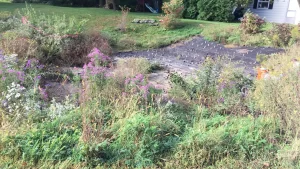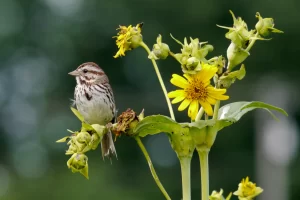
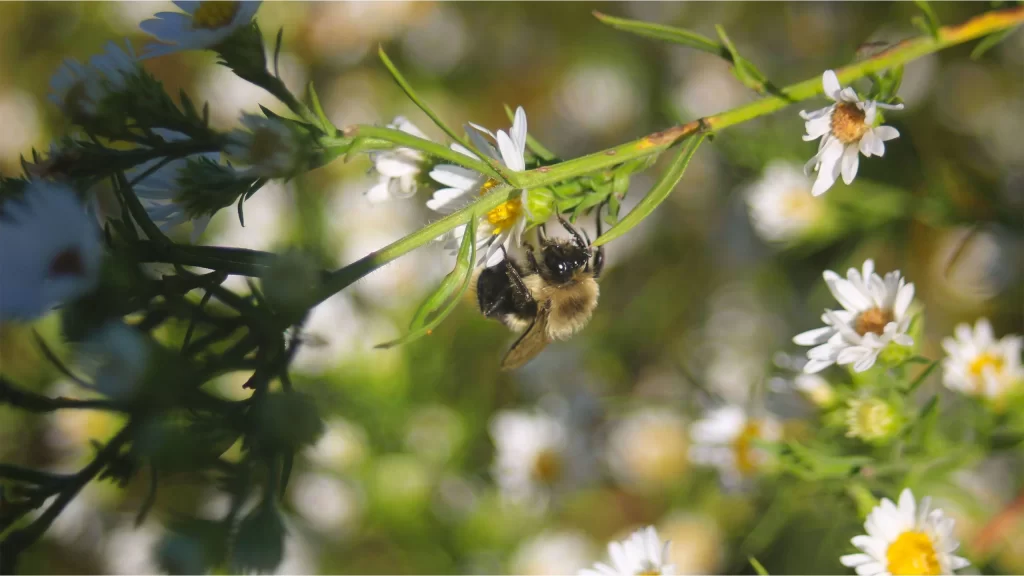
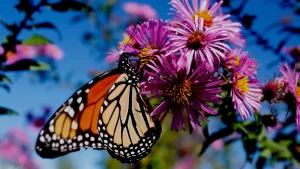
Pheasant Branch Conservancy is home to an amazing assortment of plants and wildlife all year long. Here are the birds, animals, and plants to look out for when you visit Pheasant Branch Conservancy in September.
Birds
- Trumpeter swan cygnets learning to fly
- Blackbirds form large flocks*
- Warblers*
- Ruffed grouse broods*
- Ruby-throated hummingbirds*
- Hawks*
- Blue-winged teals*
- Whooping cranes*
- Canvasback ducks*
*fall migration departures
Other Animals
- Yellowjackets, hornets & wasps
- Wooly bear caterpillars
- White-tailed bucks begin shedding velvet
- Silver-haired bats, red bats, hoary bats*
*fall migration departures
Trees, Grasses & Flowers
- Trees begin to change color
- New England aster
- Fringed gentian
- Cattails
- Prairie blazing star (seeds)
- Wool grass (seeds)
- White wild indigo (seeds)
- Round-headed bush clover (seeds)
- Sawtooth sunflower (seeds)
- Switchgrass (seeds)
- Jack-in-the-pulpit (seeds)
- Solomon’s seal (seeds)
- Indian grass (seeds)
- Wild quinine (seeds)
- Flowering spurge (seeds)
- Rattlesnake master (seeds)
- Pasture rose (seeds)
- Milkweed (seeds)
—–
Meteorological Data
- Average temperature (high/low): 72°F/52°F
- Average precipitation (rain): 3.2”
- Average hours of daylight: 12.4
Related Articles
Please Keep Your Dog on Leash
Help protect Pheasant Branch’s birds and animals and other Conservancy users by keeping your dog on a leash when you visit.
Learn More →
What to Look & Listen for at the Conservancy in June
Here are the birds, animals, and plants to look out for when you visit Pheasant Branch Conservancy in June.
Learn More →
The Mental and Physical Health Benefits of Time in Natural Environments
Studies have shown that exploring natural areas like Pheasant Branch Conservancy can reduce stress and improve your mood.
Learn More →