So why go native? A question that raises a lot of concerns, not the least of which is the foregoing of planting Kentucky bluegrass, a nonnative short-rooted species that most folks then spend time mowing, fertilizing, watering and applying herbicides.
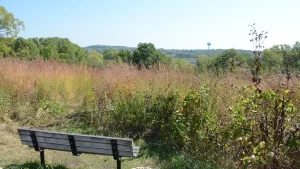
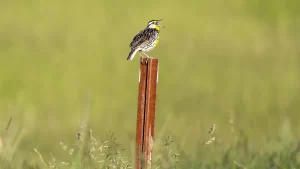
Why go native indeed? Deep roots on prairie plants guide water deep into the ground and help recharge aquifers and prevent flooding. Native plants evolved with native insects and other wildlife. They provide habitat for pollinators, which is critical for these insects now in decline. And they are so much more beautiful than a monoculture of lawn grass! My yard is alive with myriad creatures.
But alas there are non-native plants that would love to take over your yard and bully the natives. On May 17, the Friends and the city’s Sustainability Committee partnered in sponsoring a rain garden hands-on workshop where the participants actually constructed, planted, and mulched a rain garden near downtown Middleton. Mitch McCarthy led the workshop and provided nearly 100 native plants from Plant Dane. The Friends and the City then partnered with the Bruce company to provide a second free workshop on July 24 focusing on how to maintain a native garden.
Instruction time included an overview of the basics of constructing a rain garden, desirable native plants both forbs and grasses that attract pollinators, undesirable weeds to remove, and the proper disposal method for those invasive plants. Not wanting to spread invasives due to lack of enough heat to kill the seeds through composting, the WI DNR recommends bagging the unwanted species in a clear or black plastic bag, labeling the bag, “Invasive Plants – Approved by DNR for landfilling” and placing the bag(s) in the trash bin.
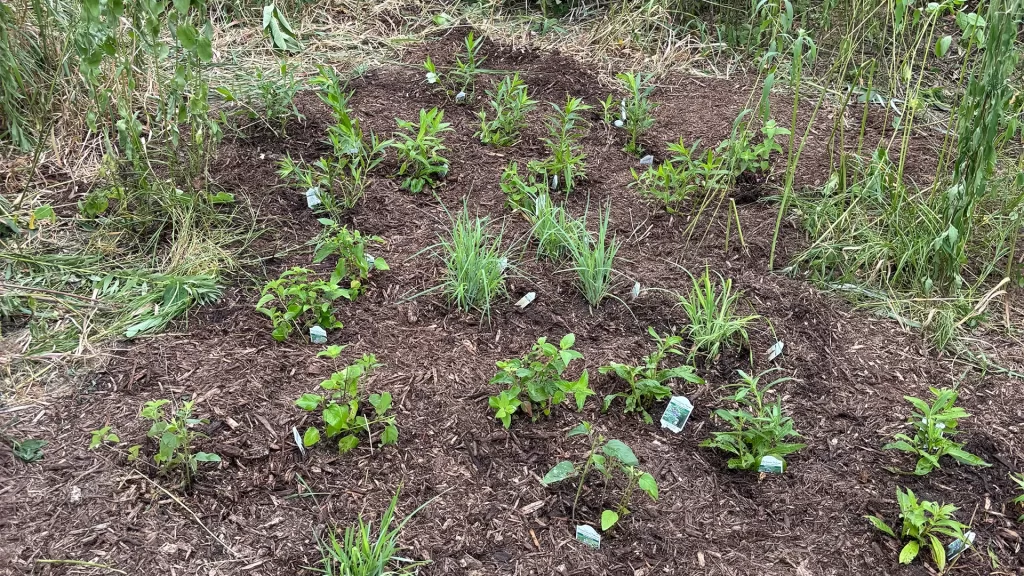
The class then engaged in hands-on maintenance at a Kromrey Middle School rain garden. The participants removed primarily reed canary grass and giant ragweed, then planted and mulched 40 native plants donated by the Bruce Company. The soil showed the result of so much time without decent rainfall in Middleton and yet the established native plants in full bloom looked colorful and cheerful. But now the new planting needs watering and care before it can be left to its own devices.
Why go native? Check out Middleton’s City Hall garden with native plants identified by signage and Belle Farms, where natives have replaced traditional lawns, and join the growing ecological effort to go native! Key organizations driving Resilient Landscapes are National Wildlife, the Wild Ones, and Homegrown National Park. Take the plunge and Go Native! Pollinators will thank you.
Related Articles
Conservancy Days: Connecting Community, Conservation & Place
Join us at the Middleton Public Library every other month for a series of educational events where you’ll learn all about Pheasant Branch Conservancy.
Learn More →
How Can Neighbors Help Protect Pheasant Branch Conservancy?
Order a copy of our brochure to learn what species of invasive plants you should remove from your yard.
Learn More →
Backyard Conservancies – Conservation Begins at Home
Here are five ways to transform your property into a vital habitat corridor for local plants and wildlife.
Learn More →